Have you ever wondered what interior design services actually include nowadays?
Many homeowners still think it’s only about colours, furniture and some odds and ends.
Interior design in 2026 looks very different, very distinct.
Homes now need to support work, relaxation, and everyday routines. Post Lockdown times.
In cities like Pune, space is extremely valuable.
Every room must feel comfortable, functional, and visually regulated.
That’s where professional interior designers add true value.
They design spaces that suit your lifestyle, not just your taste.
Modern interior design services pivot on planning, execution, and long-term usability.
They merge creativity with practical decision-making.
This blog explains what interior design services include in 2026.
You’ll understand the entire home interior design process clearly.
We’ll also recognize why residential interior design matters more today.
And how studios like Zylux Studio help homeowners circumvent costly mistakes.
What Are Interior Design Services?

Interior design services involve a lot of planning for creating functional living spaces.
They go beyond surface-level adornment.
Residential interior design focuses on how people live their daily lives.
It stabilizes layout, storage, lighting, and comfort.
Professional interior designers study space usage very carefully.
They design houses that feel easy and intuitive to live in, a place they can call home.
Why Interior Design Services Matter in 2026
Homes today serve quite a few purposes.
They are living spaces, workspaces, and family zones.
Apartments in Pune are becoming more compressed.
Smart planning is no longer optional.
Modern interior design services help augment every square foot.
They improve flow, storage, and utility.
According to housing studies, well-designed homes decrease daily stress.
Good layouts ameliorate comfort and long-term satisfaction.
What Interior Design Services Include in 2026
1. Space Planning and Layout Design
Design starts with understanding your lifestyle.
Designers study how you proceed and use spaces.
Rooms are zoned for clear functions.
This improves routines and comfort.
2. Concept Design and Visualisation
Design concepts bring ideas to life early on.
Mood boards divulge style, colour, and mood.
2D layouts visualize ‘planning’ clearly.
3D visuals help clients conceptualise the final outcome.
3. Material, Colour, and Finish Selection
Designers opt for materials based on durability and usage.
Flooring, wall finishes, and textures are planned together.
Colour palettes balance amiability, warmth and brightness.
Sustainable materials gain popularity in 2026.
4. Furniture and Custom Solutions
Furniture is picked for comfort and efficiency.
Custom wardrobes and storage make for better organisation.
Modular kitchens optimise workflow.
Space-saving designs are suited for modern Pune homes.
5. Lighting and Electrical Planning
Lighting design shapes how a home feels.
Natural and artificial lighting work combined.
Electrical points are planned early.
This helps avoid clutter and future changes.
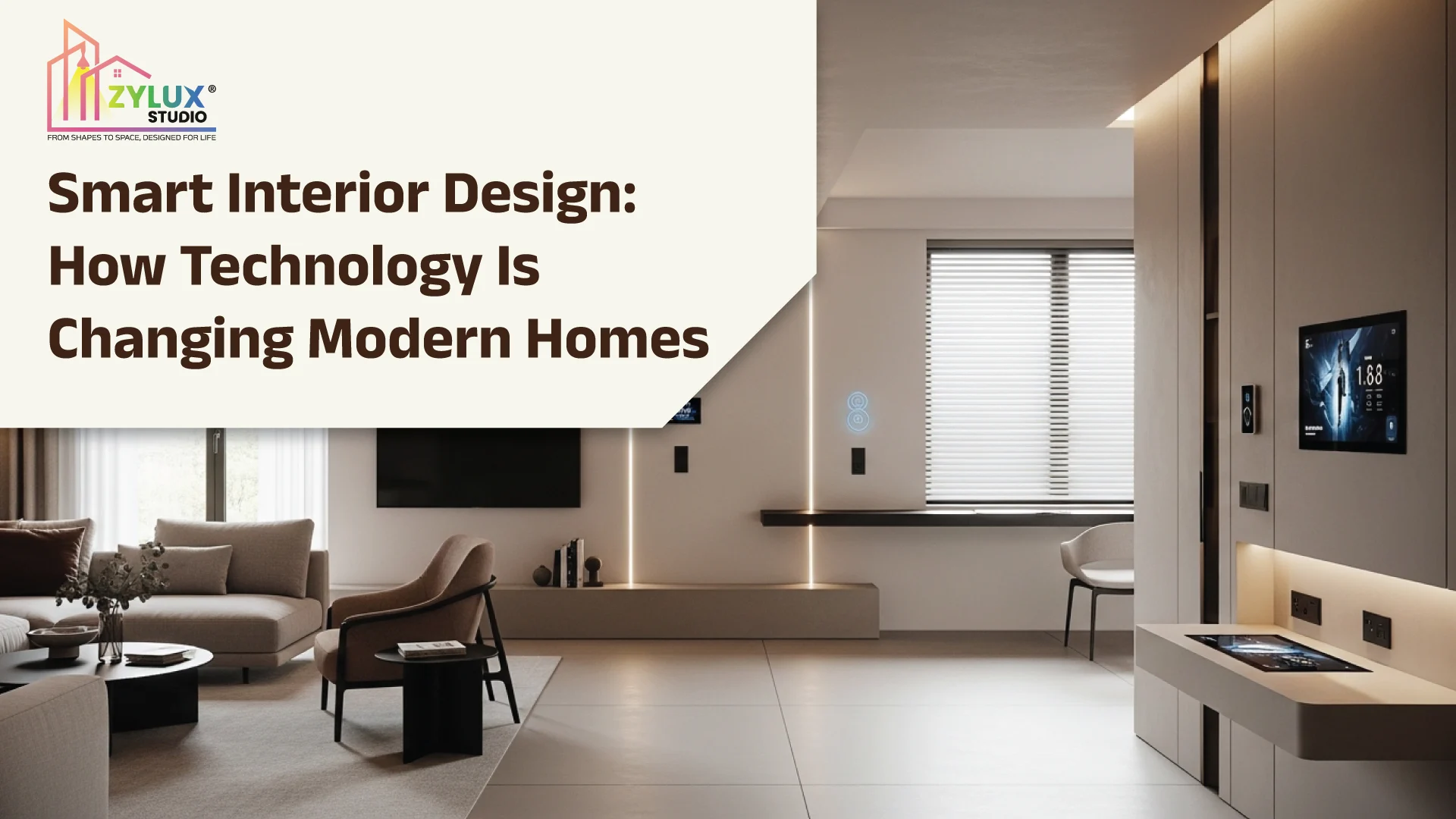
6. Smart and Modern Design Integration
Smart lighting and automation are common and a must-have today.
Technology improves convenience and energy efficiency.
Modern interior design services include future-ready solutions.
Houses become easier to manage daily.
7. Execution and Project Management
Designers synchronize vendors and schedules.
They govern timelines, budgets, and quality checks.
Clients avoid constant follow-ups.
Execution becomes smooth, effortless and organised.
Advantages of Hiring Professional Interior Designers

- Saves time and effort
- Controls overall costs
- Avoids design mistakes
- Ensures better finishing
- Reduces stress
Professional interior designers manage the process end-to-end.
Clients enjoy peace of mind.
Real Example: A Pune Home Transformation
A compact Pune apartment in Kharadi needed better storage.
The family also wanted brighter interiors.
Layout changes improved movement.
Custom furniture upped usable space.
Lighting upgrades transmuted the mood.
The home felt larger and calmer.
This shows how residential interior design changes daily living.
Thoughtful planning makes a noticeable difference.
Conclusion
Interior design services in 2026 pivot on smarter living.
They amalgamate planning, creativity, and execution.
Residential interior design now aids comfort and efficiency.
Every detail subscribes to better daily life.
Professional interior designers simplify complex decisions.
They bring clarity, calm and structure to the process.
If you want a home that truly works for you, expert guidance matters.
Zylux Studio helps turn your ideas into well-designed living spaces.Planning your home interiors in Pune?
Contact Zylux Studio to begin your interior design journey today.